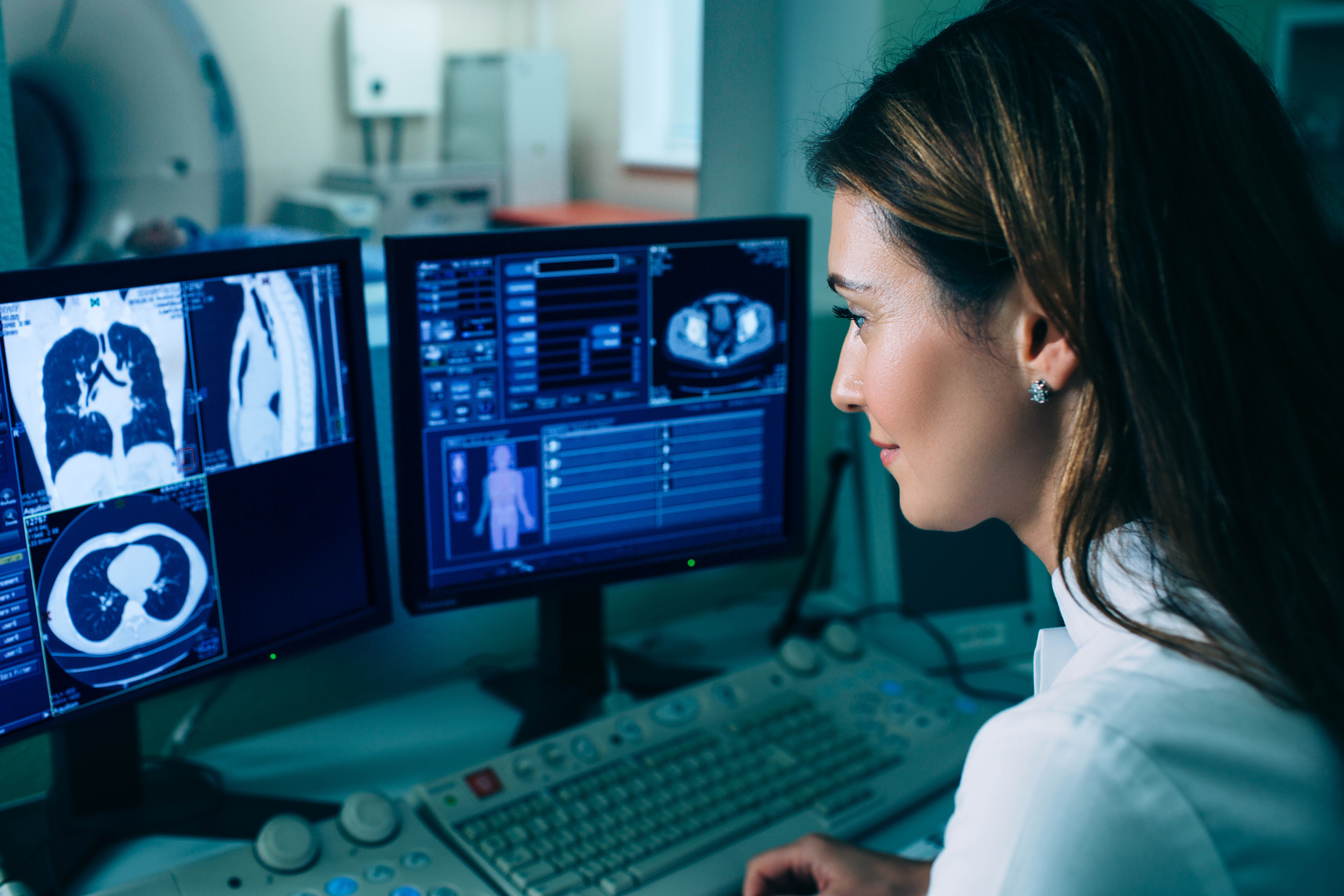
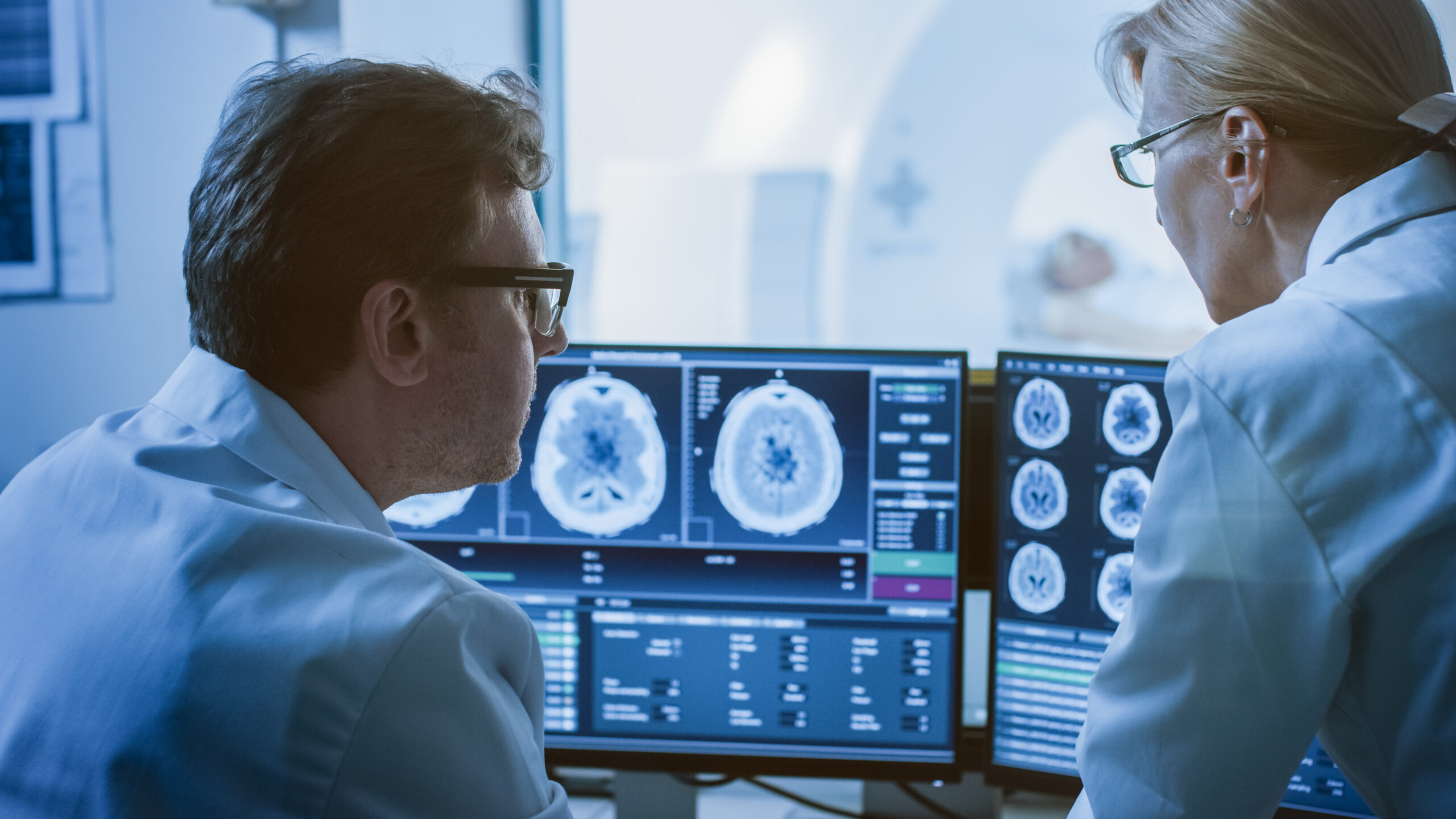
As a radiology professional with over two decades of experience, I’m fascinated by the transformative potential of artificial intelligence (AI) in our field. AI is evolving at an astonishing pace, and its applications in radiology promise to reshape how we diagnose, treat, and ultimately improve patient care.
How AI is Augmenting Radiology
AI algorithms, particularly those powered by deep learning, can analyze vast amounts of medical imaging data with incredible speed and precision. Here’s how AI is already making an impact:
- Image Analysis: AI can detect subtle abnormalities in X-rays, CT scans, and MRIs that might be overlooked by the human eye. This has applications in cancer screening, fracture detection, and early diagnosis of various diseases.
- Workflow Optimization: AI-powered tools can automate tasks like image triage, prioritizing urgent cases and reducing radiologist workload. This can significantly improve turnaround times and patient outcomes.
- Image Reconstruction: AI algorithms can improve image quality, allowing for lower radiation doses during scans without compromising diagnostic accuracy.
- Quantitative Analysis: AI can quantify features of tumors or other pathologies, providing valuable data for disease staging, treatment planning, and monitoring treatment response.
- Research Acceleration: AI can analyze large datasets to identify patterns and correlations, aiding in the discovery of new biomarkers and personalized treatment approaches.
Exciting Developments on the Horizon
AI in radiology is a rapidly evolving field. Some of the most promising emerging applications include:
- Predictive Analytics: AI models could combine imaging data with patient demographics and other clinical information to predict disease progression or risk of complications, enabling proactive intervention.
- AI-Guided Biopsies: AI may increase the accuracy of biopsies by pinpointing the most suspicious areas, leading to more targeted sampling and a greater chance of obtaining a definitive diagnosis.
- Radiomics: This field leverages AI to extract massive amounts of data from images, revealing hidden patterns that correlate with tumor behavior and patient outcomes, leading to truly personalized care.
Challenges and Considerations
While the potential is immense, it’s important to acknowledge hurdles:
- Algorithm Bias: AI models can perpetuate biases present in the data they are trained on. Careful dataset curation and rigorous testing are vital to ensure fair and equitable outcomes.
- Regulatory Landscape: The approval pathway for AI-driven tools is complex. A streamlined regulatory framework will be essential for widespread adoption.
- Integration: Seamlessly integrating AI into existing radiology workflows is key for maximizing its benefits without disrupting clinical routines.
The Future: A Human-Machine Partnership
AI is poised to become an indispensable tool for radiologists, enhancing our capabilities but not replacing the need for human expertise. The future of radiology lies in the collaboration between human clinicians and AI algorithms, leveraging their combined strengths to deliver unparalleled accuracy and efficiency in patient care.
Sources:
- Radiological Society of North America (RSNA): https://www.rsna.org/
- American College of Radiology (ACR) Data Science Institute: https://www.acrdsi.org/
- Journal of the American College of Radiology (JACR): https://www.jacr.org/
Keywords: Artificial intelligence, AI, radiology, deep learning, image analysis, machine learning, computer-aided diagnosis, workflow optimization