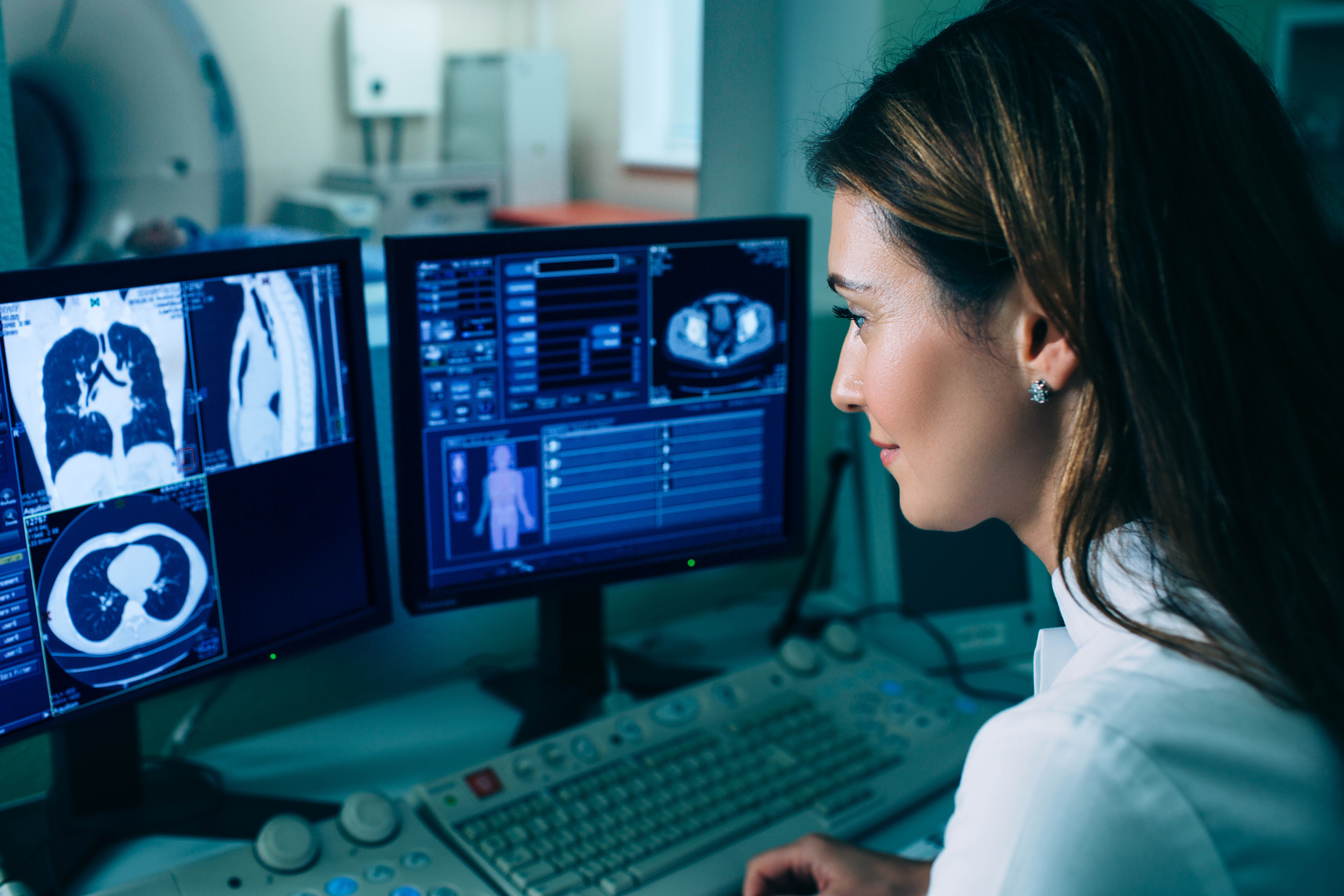

Imaging workflow systems can play a significant role in preventing radiologist burnout by addressing several key areas:
- Automating Routine Tasks: Utilizing AI to pre-screen images and flag potential issues can reduce the time radiologists spend on routine, less critical tasks, allowing them to focus on more complex cases.
- Optimizing Workload Distribution: Efficient systems can help distribute cases evenly among radiologists, preventing overload on any single individual. Workflow balancing tools that monitor workload in real-time and adjust assignments dynamically can ensure that no radiologist is overburdened.
- Improving Access to Information: Integrated PACS/RIS: Seamless integration of Picture Archiving and Communication Systems (PACS) with Radiology Information Systems (RIS) ensures that radiologists can quickly access patient histories, prior images, and relevant data. Having a unified platform that centralizes data access so all necessary information is easily accessible can reduce the time spent searching for data.
- Enhancing Collaboration: Teleradiology: Allowing radiologists to consult with peers or specialists remotely can provide support and second opinions, reducing the mental load and improving diagnostic accuracy. Collaborative tools such as platforms facilitating easy case sharing and collaborative review can improve efficiency and reduce isolation.
- Streamlining Communication: Efficient communication tools integrated into the workflow can help radiologists quickly clarify doubts with other radiologists within their group or other staff. Notification Systems that provide alerts and notifications for urgent cases or follow-ups can help prioritize tasks effectively.
- Minimizing Redundant Work: Duplicate detection systems that identify and reduce duplicate imaging studies can save time and resources. Standardized protocols, such as implementing standardized imaging and reporting protocols, can reduce variability and improve efficiency.
- Enhancing User Experience: User-friendly software that reduces the learning curve and streamlines navigation can improve productivity. Customizable workflows that allow radiologists to customize their workflow according to their preferences can enhance job satisfaction and efficiency.
By addressing these areas, efficient workflow systems can significantly reduce radiologists’ stress and workload, leading to lower burnout rates and improved overall job satisfaction. Contact medQ today to learn how the Q/ris3000 can help address your imaging center’s workflow needs.