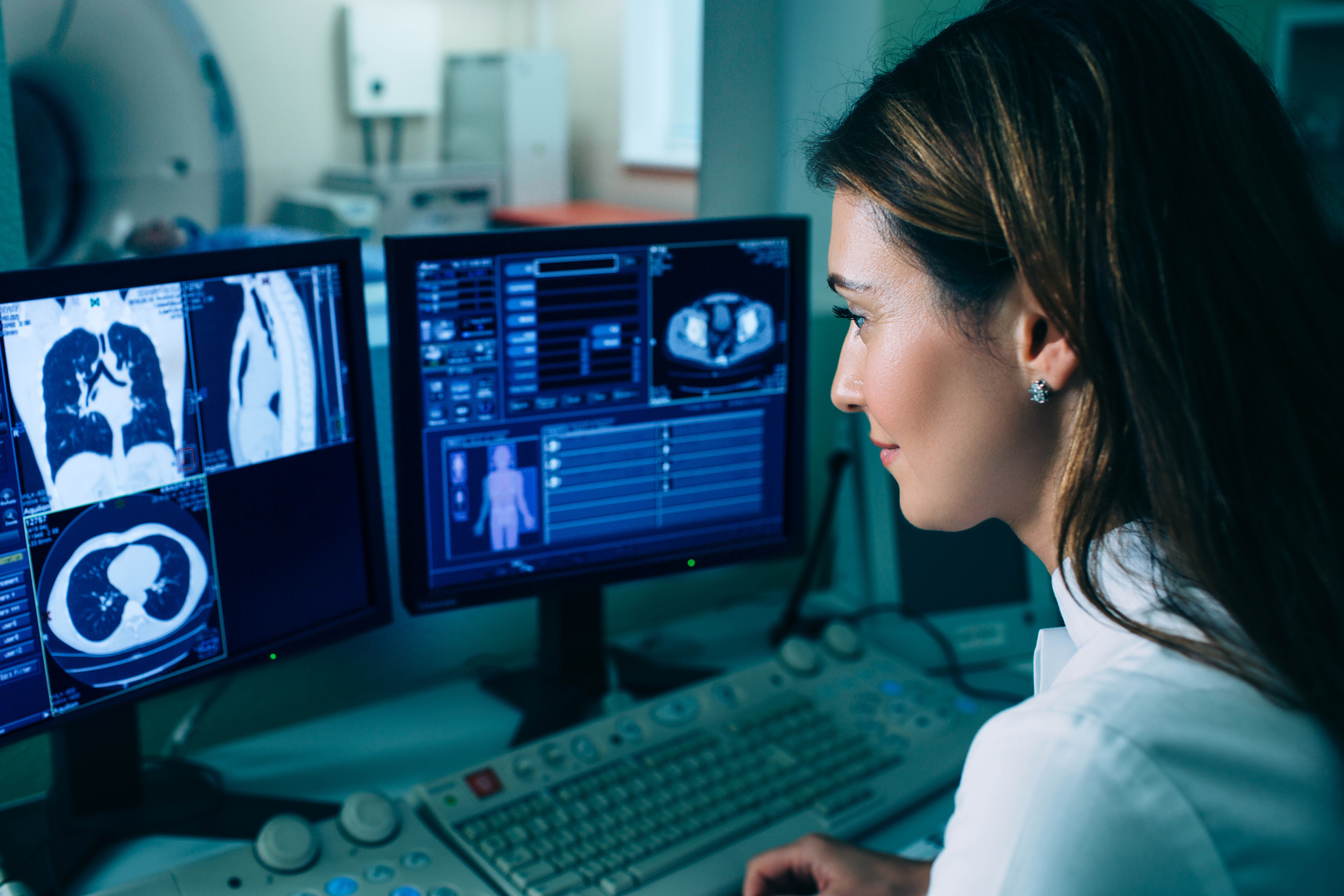

The healthcare landscape is rapidly evolving, and with over two decades in the field, I’ve seen how telemedicine and remote technologies are disrupting radiology in a positive way. These advancements hold immense potential for expanding the reach of services, improving access to care, and unlocking new revenue streams for radiology practices.
What is Teleradiology?
Teleradiology uses secure digital technology to transmit medical images from one location to another, enabling off-site radiologists to provide interpretations. This overcomes geographical barriers and time constraints, offering multiple benefits.
How Remote Technologies Benefit Radiology and Patients
- 24/7 Coverage: Teleradiology helps hospitals and imaging centers provide around-the-clock coverage for emergency and urgent interpretations, improving patient outcomes.
- Subspecialty Expertise: Access a global network of subspecialized radiologists for consultations, ensuring the best possible care, even in complex cases.
- Rural Access: Patients in underserved areas gain timely access to quality radiology services, bridging the urban-rural healthcare gap.
- Surge Capacity: Handle fluctuations in workload without disrupting patient care.
- Enhanced Practice Efficiency: Optimize radiologist utilization and scheduling
Telemedicine Beyond Interpretation
Telemedicine in radiology extends to:
- Virtual Consultations: Radiologists can offer real-time virtual consultations with patients and referring physicians, facilitating communication, and streamlining care.
- Remote Image Monitoring: Cloud-based platforms and AI algorithms enable remote monitoring of medical imaging studies for disease progression or treatment response, offering new models of continuous care.
- Second Opinions: Patients can effortlessly obtain second opinions from expert radiologists around the globe, promoting informed decision-making.
Financial Implications
Teleradiology can lead to new revenue sources through:
- Partnerships with Hospitals and Imaging Centers: Provide remote coverage to expand their services without requiring costly infrastructure investments.
- Direct-to-Consumer Models: Offer teleradiology services for second opinions or niche expertise, appealing directly to a wider patient base.
- Subscription-Based Models: Offer ongoing image monitoring or consultative services for chronic disease management, driving recurring revenue.
Considerations for Success
- Technology and Security: Invest in robust and secure telemedicine infrastructure with stringent data protection measures.
- Licensure and Credentialing: Navigate complex state licensure requirements and credentialing processes for multi-state operations.
- Workflow Integration: Seamlessly integrate teleradiology platforms with existing systems (EHR, PACS) to optimize workflow.
- Relationship Building: Develop strong partnerships with remote facilities and referring physicians to ensure trust and seamless collaboration.
The Future of Remote Radiology
Remote monitoring and telemedicine are set to revolutionize radiology. We can envision:
- AI-Augmented Workflows: AI algorithms can filter and prioritize urgent cases, making remote radiologists even more efficient.
- Global Teleradiology Networks Enable seamless 24/7 coverage with radiologists across time zones, optimizing resource allocation.
- Remote Quality Assurance: Centralized remote peer review and quality checks ensure consistently high standards across distributed networks.
Embracing the Opportunity
Teleradiology offers radiology practices a compelling opportunity to increase their impact on patient care while diversifying revenue streams. By strategically integrating remote technologies, radiology groups can position themselves at the forefront of a rapidly evolving healthcare landscape.
Sources:
- American College of Radiology (ACR): https://www.acr.org/
- Radiological Society of North America (RSNA): https://www.rsna.org/
- Journal of the American College of Radiology (JACR): https://www.jacr.org/
Keywords: teleradiology, remote monitoring, telemedicine, revenue growth, healthcare access, technology innovation, workflow optimization