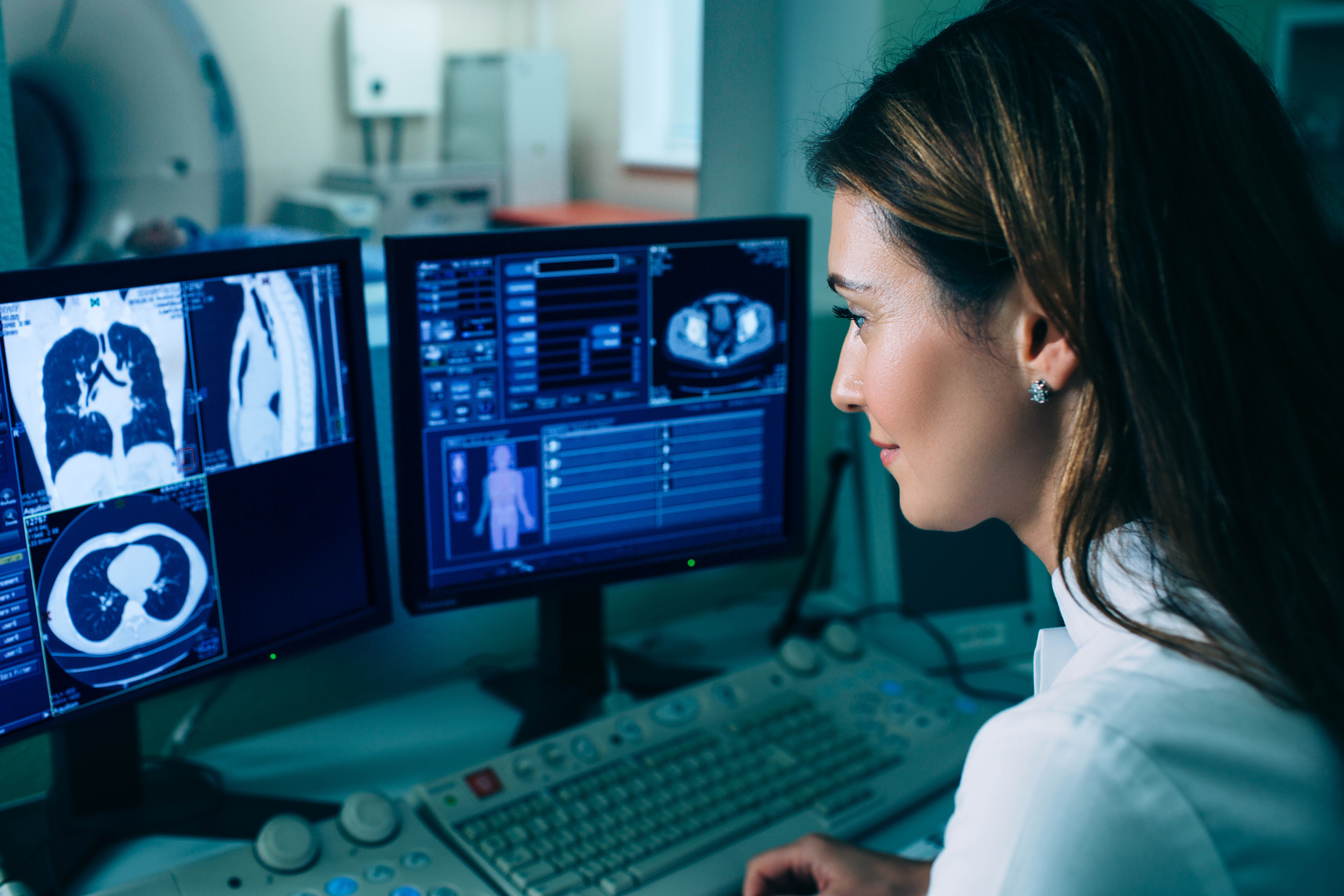

With over two decades in radiology, I’m fascinated by the potential of predictive analytics to transform the way we manage resources and optimize workflows. This data-driven approach holds the key to forecasting demand, streamlining operations, and ensuring patients have timely access to the imaging services they need.
What is Predictive Analytics?
Predictive analytics uses historical data, statistical algorithms, and machine learning techniques to identify patterns and predict future outcomes. In radiology, this might involve forecasting:
- Imaging Volumes: Anticipate fluctuations in demand for different imaging modalities based on historical trends, seasonality, and demographic shifts.
- Staffing Needs: Accurately predict the optimal number of radiologists, technologists, and support staff required to meet projected workloads.
- Equipment Downtime: Identify equipment at risk of failure, enabling proactive maintenance to prevent disruptions.
- Patient No-Shows: Predict patients likely to miss appointments, allowing practices to implement targeted reminder strategies or overbooking.
How Predictive Analytics Benefits Radiology
- Optimized Scheduling: By forecasting demand, radiology practices can align staffing and resources accordingly, minimizing delays and overstaffing.
- Improved Patient Access: Predictive models can help identify potential bottlenecks, allowing practices to proactively add appointment slots or adjust hours to accommodate patients.
- Strategic Resource Allocation: Insights gained from predictive analytics can inform decisions about equipment purchases, infrastructure investments, and staff hiring.
- Data-Driven Decision-Making: Predictive models provide objective evidence to support operational planning and justify resource allocation requests.
- Proactive Maintenance: By predicting equipment failures, practices can schedule maintenance at convenient times, minimizing downtime and ensuring service continuity.
Implementing Predictive Analytics
Successful implementation involves:
- Data Quality: Predictive models are only as good as the data they’re built on. Clean, accurate, and comprehensive data is essential.
- IT Infrastructure: Appropriate data storage, processing capabilities, and dedicated analytics software are necessary.
- Expertise: Engage data scientists or partner with specialized vendors for building and deploying the models.
- Workflow Integration: Seamlessly integrate predictive analytics tools into radiology information systems (RIS) and patient scheduling platforms.
Beyond Efficiency: Clinical Applications
Predictive analytics is also finding applications on the clinical side of radiology:
- Risk Prediction: Models can help identify patients at high risk for disease progression, prompting earlier interventions and personalized care plans.
- Imaging Utilization: Predict the likelihood of a positive imaging study to optimize ordering practices and reduce unnecessary imaging.
The Future of Predictive Analytics
As predictive analytics technology matures and adoption increases:
- Real-Time Optimization: We can envision real-time adjustments to staffing and scheduling based on continuously updated predictions.
- Integration with AI: Combining AI-driven image analysis with predictive analytics promises a powerful fusion, greatly enhancing efficiency and patient care.
Transforming Radiology Operations
Predictive analytics is poised to revolutionize the business side of radiology. By embracing these tools, radiology practices can anticipate demand, manage resources proactively, reduce costs, and enhance the patient experience. This shift towards data-driven efficiency will position radiology practices for success in an increasingly competitive and data-centric healthcare landscape.
Sources:
- Radiological Society of North America (RSNA): https://www.rsna.org/
- American College of Radiology (ACR) Data Science Institute: https://www.acrdsi.org/
- Journal of the American College of Radiology (JACR): https://www.jacr.org/
Keywords: predictive analytics, radiology, operational efficiency, resource allocation, machine learning, data-driven decision-making, forecasting